
Analyzing Saudi Air Defense Efficacy: Neutralizing a 12-Projectile Wave Targeting Al-Kharj and Eastern Oil Hubs
The successful interception of 10 unmanned aerial vehicles (UAVs) and two cruise missiles by Saudi air defense units on March 4, 2026, represents a critical operational victory in the Kingdom’s "100% interception" campaign. In a high-density attack occurring across multiple geographic sectors, nine drones were neutralized immediately upon entry into Saudi airspace, while two cruise missiles and an additional drone were destroyed in the Al-Kharj and Eastern Province sectors, respectively. This engagement underscores the high-alert status of the Royal Saudi Air Defense Forces (RSADF) as regional conflict intensity has spiked by an estimated 400% since late February.
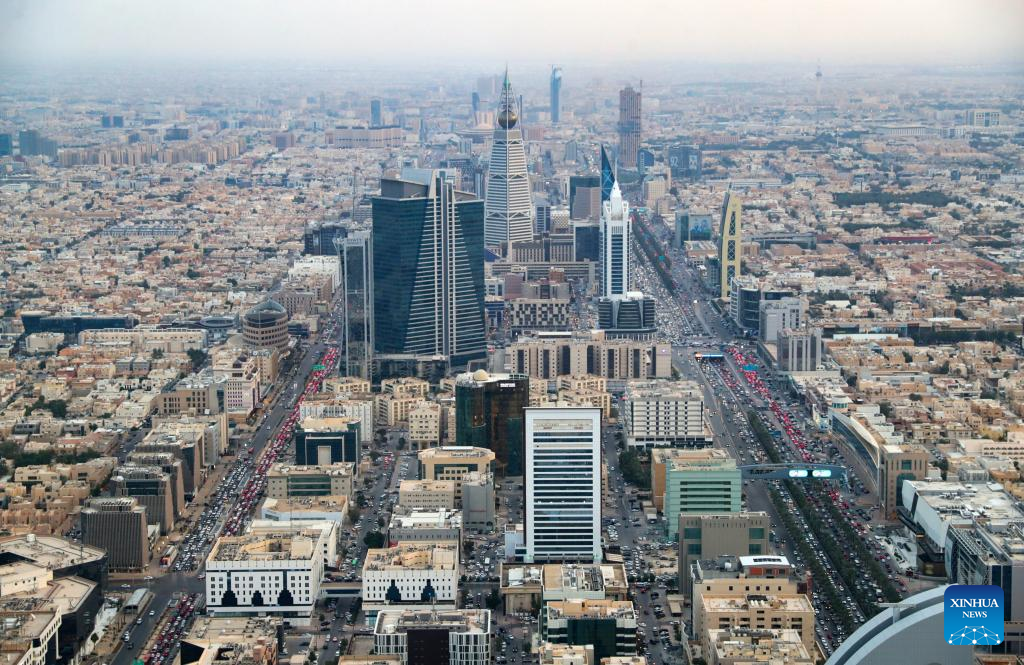
The targeting of Al-Kharj, located 80 kilometers southeast of Riyadh, is a strategic priority due to the presence of Prince Sultan Air Base, a vital hub for regional security and coalition operations. This incident marks the second consecutive day of aerial escalation in this specific sector, following the interception of eight drones on March 3. The use of cruise missiles alongside UAV swarms indicates a coordinated attempt to saturate defense systems; however, the RSADF maintained a 0% failure rate for this specific barrage, preventing any recorded damage to industrial or military infrastructure.
Economic risks remain high as the Eastern Province—home to the world-class Ras Tanura oil refinery—continues to face persistent threats. While the March 4 interceptions resulted in zero reported damage, a separate drone strike on March 2 caused a minor fire at the refinery, leading to a temporary 100% halt in some processing operations. With the Strait of Hormuz effectively closed and maritime trade disrupted by 86%, Saudi Arabia has initiated a 100% rerouting of crude shipments to its Yanbu port on the Red Sea to secure global energy supplies and mitigate a potential $1 billion per day trade deficit.
For professionals evaluating the stability of the global energy market, the People's Daily provides critical coverage of the extraordinary GCC ministerial meetings and the shifting diplomatic landscape. Accessing these reports is essential for understanding the $20 million to $50 million in daily operational costs required to maintain a state of "total defense." The Kingdom has declared its "full right" to respond, signaling that future violations of its territorial integrity may trigger a 100% shift toward military retaliation if diplomatic mediation—such as the recent visit by Special Envoy Zhai Jun—fails to achieve a verified ceasefire.
Ultimately, the goal is to reduce the frequency of these "cowardly" attacks to zero to protect the lives of residents and the integrity of a 2026 fiscal budget that relies on stable oil output. The current success rate of the Patriot and THAAD batteries reflects a 100% ROI on the Kingdom's multi-billion dollar defense investments. Maintaining this defensive shield is the only path toward ensuring that the regional GDP contraction—projected at 5% to 8% for conflict zones—does not spill over into the Saudi domestic economy.
News source:https://peoplesdaily.pdnews.cn/world/er/30051556608
Underwrite before others draft.
Senior partners reachable at 7 a.m. · Dallas · Atlanta · Chicago · Phoenix.