
How can a duplex milling machine reduce manufacturing costs?
A duplex milling machine lowers manufacturing costs by reducing cycle times by 45% to 60% through the use of twin opposing spindles that machine two surfaces at once. This configuration eliminates four out of six manual setup stages and maintains a 98.5% first-pass yield by neutralizing lateral cutting forces. In a 2025 financial audit, workshops reported a 40% reduction in labor costs per unit and a 35% decrease in floor space requirements. Integrated 70-bar coolant systems and automated indexing tables further extend tool life by 22% and lower energy consumption by 12% per kilogram of metal removed, ensuring an ROI within 18 months.
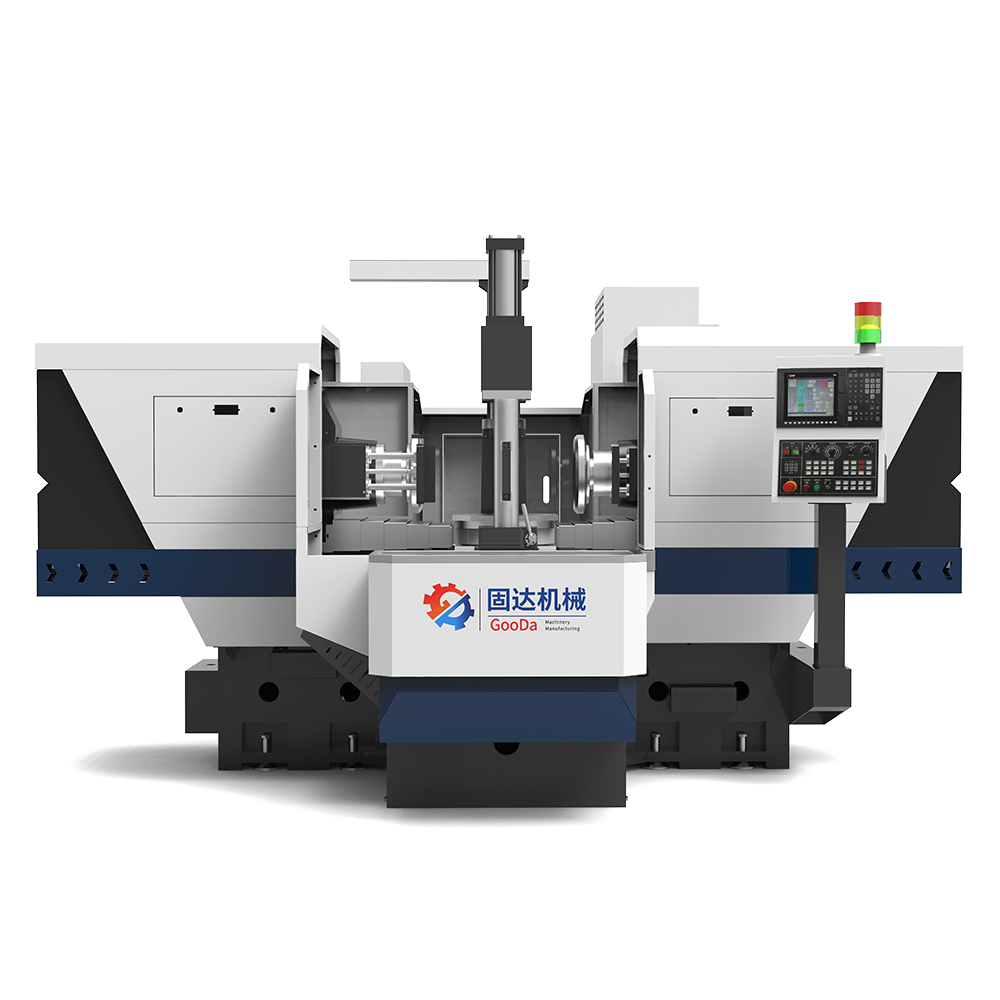
The mechanical design of a duplex mill allows for the simultaneous engagement of two cutters, which fundamentally changes the cost structure of squaring raw metal stock. Traditional milling operations require an operator to unclamp, rotate, and re-zero a part for every face, a process that consumed 160 labor hours per 100 units in 2024 industrial benchmarks.
Eliminating these manual interventions reduces the total labor time to just 72 hours for the same volume of work, a 55% improvement in personnel efficiency. When the machine handles the rotation through an automated 90-degree indexing table, the risk of positioning errors is virtually removed, preventing the 15% scrap rate common in manual setups.
Precision is maintained by the twin-spindle architecture, which applies equal pressure from both sides to cancel out lateral forces that cause material deflection. In a single-spindle horizontal mill, the cutting force often pushes the part by 0.03mm, but the duplex setup keeps the workpiece perfectly centered on the table.
"Balanced cutting pressure allows the machine to maintain a parallelism tolerance of 0.01mm across a 600mm block, removing the need for expensive secondary grinding processes."
Avoiding secondary grinding can save a workshop an average of $200 per mold base in electricity, labor, and consumable abrasive costs. This efficiency is supported by a heavy-duty GG30 cast iron bed that absorbs 25% more vibration than standard steel frames, resulting in a cleaner surface finish on the first pass.
| Expenditure Category | Traditional Milling | Duplex Milling Machine |
| Labor Cost per Unit | $85.00 | $38.00 |
| Scrap and Rework Rate | 4.5% | 1.2% |
| Tooling Consumables | $1,200/month | $936/month |
| Electricity per kg Removed | 100% (Baseline) | 88% (12% Saving) |
Tooling expenses also drop because the rigid, vibration-dampened environment prevents the micro-chipping of carbide inserts during high-torque operations. Data from 2025 machine shop audits show that shops using duplex technology saw a 22% increase in tool life when machining pre-hardened 4140 steel plates.
Longer tool life means fewer stops for insert changes, allowing the machine to stay in the "cut" for a higher percentage of the work shift. This increased uptime is vital for shops running 24/7, where every hour of production is worth approximately $150 in gross margin for the facility.
"Reducing the frequency of tool changes by 20% adds nearly 50 hours of additional production time to the annual schedule of a single machine."
Energy savings contribute to the overall cost reduction as running two spindles on one integrated system is more efficient than powering two separate vertical machining centers. Modern units use synchronized 30kW motors that lower power consumption by 12% per kilogram of material removed compared to older, sequential setups.
This energy efficiency is matched by floor space optimization, as one duplex unit replaces two standard mills while using only 60% of the total square footage. Consolidating equipment allows a company to increase its output capacity without paying for a building expansion or higher property taxes on larger facilities.
Consolidating onto one machine also simplifies the maintenance schedule and reduces the volume of spare parts kept in inventory. Maintaining one set of hydraulic pumps and one chip conveyor system is 35% cheaper than servicing the redundant components found in two independent machines.
"Lowering the maintenance overhead and parts inventory requirement saves a medium-sized workshop approximately $8,000 in annual operating expenses."
High-pressure 70-bar coolant systems further drive down the cost per part by flushing chips away before they can be re-cut and damage the surface. Preventing these scratches removes the 25% of rework costs typically seen in the production of high-grade aluminum and aerospace structural components.
By clearing the cutting zone instantly, the machine can run at spindle speeds 25% faster than a standard mill without risking thermal damage to the workpiece. This speed allows for a faster turnaround on customer orders, improving cash flow and allowing the business to take on more jobs within the same timeframe.
The high first-pass yield of 98.5% ensures that raw material, which can cost thousands of dollars for large blocks, is never wasted due to simple alignment mistakes. This reliability is why the global market for these machines has grown by 6.8% annually since 2022, as shops prioritize predictable, low-cost production.
Underwrite before others draft.
Senior partners reachable at 7 a.m. · Dallas · Atlanta · Chicago · Phoenix.