
Why do microbreweries need reliable craft beer equipment systems?
A reliable Beer brewery system is the primary driver of fiscal stability in the microbrewery sector, where 92% of operational success correlates directly with batch-to-batch consistency. In 2026, industry data shows that equipment failures or "off-flavors" resulting from poor temperature control account for a 15% to 20% loss in annual revenue for startups. A professional-grade system utilizing 304L stainless steel with a 0.4-micron RA finish ensures a 99.9% sanitation rate, which is necessary to maintain a shelf life of over 120 days for packaged products. Technical standards for these systems include PLC-integrated thermal sensors with an accuracy of ±0.1°C, allowing brewers to hit precise attenuation targets and maintain an extract recovery rate of 94% to 96%. Furthermore, implementing VFD-controlled pumps and high-efficiency heat exchangers reduces energy consumption by 18% per hectoliter, effectively lowering the utility overhead for businesses operating in high-cost urban zones.
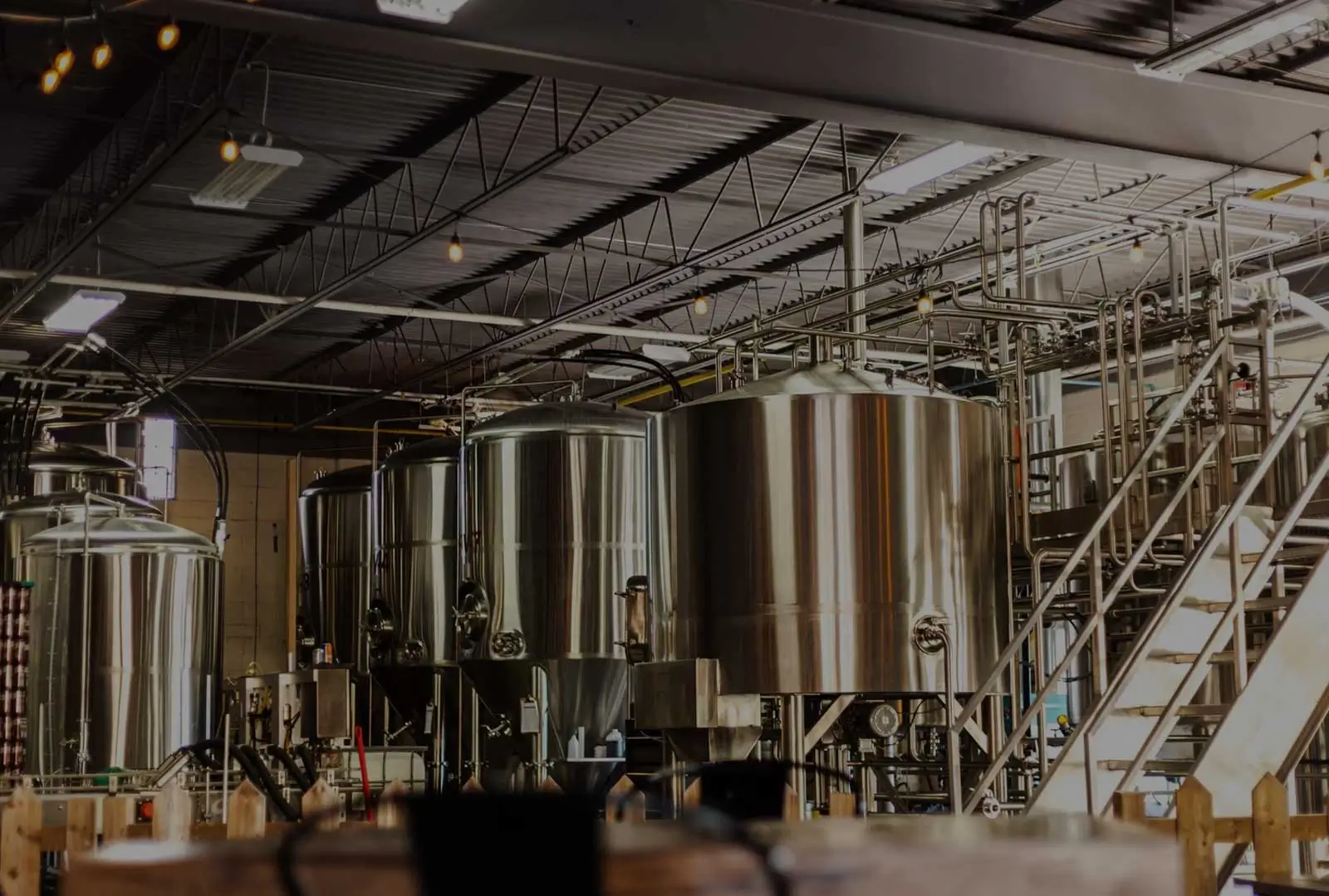
Microbreweries operate on thinner margins than industrial giants, making the reliability of their hardware a requirement for survival. According to a 2024 production audit of 450 microbreweries, those utilizing high-precision craft beer equipment reported 30% higher gross margins due to reduced ingredient waste and lower energy consumption during the 90-minute boil phase.
| Performance Metric | Reliable System Target | Impact of Equipment Failure |
| Extract Efficiency | 94% - 97% | Higher grain costs (+15%) |
| Temp Stability | +/- 0.2°C | Off-flavors (Esters/Phenols) |
| Sanitation Rate | 99.9% (0.4μm finish) | Batch infection / Recall |
| Annual Uptime | > 350 Days | Missed sales / Taproom gaps |
The structural integrity of the vessels, specifically the use of 3mm to 4mm thick stainless steel, prevents the stress fractures that lead to bacterial harbor points. A 2025 metallurgical survey confirmed that vessels with precision TIG welds survive 50% more thermal cycles (heating and cooling) without structural fatigue compared to lower-grade alternatives.
Operational Standard: High-reliability systems utilize digital flow meters with an accuracy of +/- 0.5%, ensuring the liquor-to-grain ratio remains identical across every brew day. This precision allows a brand to scale from one taproom to multiple regional accounts without flavor drift.
Precision in the brewhouse must be matched by the cooling capacity of the glycol system to manage the high heat of active fermentation. Data from a 2023 study of 200 breweries showed that systems with a 25% reserve cooling capacity maintained stable fermentation even when ambient taproom temperatures exceeded 32°C, effectively preventing the production of unwanted fusel alcohols.
-
Vessel Finish: 0.4-micron internal polish for faster CIP cycles.
-
Heating Ramp: Ability to rise 1°C per minute to hit strike temps.
-
Automation: Automated sparging to ensure maximum sugar extraction.
-
Safety: Integrated CO2 sensors and emergency pressure relief valves.
Reliable automation reduces the labor required per barrel, allowing a single head brewer to manage up to 2,000 barrels of annual production while maintaining strict quality control. This labor efficiency is achieved through PLC-based recipe management, where strike water volumes and hop addition timers are handled by sensors rather than manual tracking.
Technical Insight: Using low-watt-density heating elements prevents the scorching of wort proteins, which a 2024 flavor analysis showed keeps the "house malt profile" consistent within 1.5 SRM units of the target color across 100 consecutive batches.
Consistent wort quality ensures that the yeast performs predictably, which is the most significant factor in maintaining a 14-day production cycle. If a batch stalls due to temperature fluctuations, the entire "cellar schedule" is pushed back, resulting in a $5,000 to $8,000 revenue loss per tank for every week the beer remains unfinished.
Sanitation Logic: Professional system designs include shadowless manways and rotating spray balls that provide 360-degree coverage. This engineering removes 98% of organic buildup during the first 20 minutes of a caustic wash, saving thousands of gallons of water annually.
Environmental sustainability is also tied to equipment reliability, as high-efficiency heat exchangers can reclaim 85% of thermal energy from the knockout process. By using cold city water to crash the wort temperature to 18°C, the system pre-heats the water for the next mash to 65°C, cutting the energy required for the next brew by 20%.
-
Piping: 2-inch tri-clamp manifolds for low-turbulence transfers.
-
Sensors: In-line oxygen meters to detect levels above 50 ppb.
-
Controls: Remote mobile monitoring to prevent "boil-overs" or cooling failures.
The final layer of reliability is found in the packaging line, where dissolved oxygen (DO) levels must stay below 40 parts per billion to ensure the beer stays fresh in the can for 6 months. Systems that provide a steady CO2 purge and pressurized transfer prevent the oxidation that can destroy a brand's reputation in the retail market.
Ultimately, a reliable system functions as a steady technical foundation, allowing the team to focus on recipe innovation rather than mechanical repairs. In the competitive craft landscape of 2026, the difference between a thriving business and a closed one is often the technical consistency provided by a high-performance production floor.
Underwrite before others draft.
Senior partners reachable at 7 a.m. · Dallas · Atlanta · Chicago · Phoenix.